
In modern milling operations, efficiency is often linked to grinding technology, automation and process control. Yet one of the most influential factors in plant performance is frequently overlooked: reliable material flow.
 Whether processing wheat, flour, semolina, animal feed or spices, consistent bulk material movement is essential. When flow becomes unreliable, bridging in silos, ratholing, clogged screens and uneven feeding can cause downtime, quality variations, increased maintenance and reduced throughput.
Bulk materials rarely behave consistently. Variations in moisture content, particle size, storage conditions and product characteristics can significantly affect flow behaviour. A system performing well today may develop problems tomorrow as material properties change.
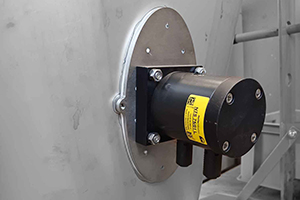
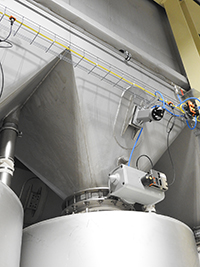
Properly engineered vibration technology plays a vital role in maintaining stable production. During raw material intake, vibrators promote reliable discharge from hoppers, silos and transport vehicles by preventing build-up and bridging. In screening and cleaning applications, vibration improves separation efficiency, keeps screening surfaces clear and supports consistent product quality.
Material handling between process stages is equally important. Hammer mills, roller mills and downstream equipment perform best with a controlled, uniform feed. Vibratory feeders and flow aids ensure predictable material movement, reducing load fluctuations and helping maintain stable operating conditions. The result is greater efficiency, improved process stability and less waste.
Vibration technology also enhances dust collection, filter cleaning and big bag filling. Targeted vibration removes dust build-up from filters and cyclones, while during filling it helps products settle evenly and release trapped air for greater filling accuracy.
Achieving these benefits, however, requires more than selecting a vibrator from a catalogue. Product characteristics, vessel geometry, operating conditions, throughput requirements and ATEX considerations all influence the most effective solution. Equipment that works well in one application may be unsuitable in another.
 For this reason, successful milling companies increasingly value suppliers with both a broad product range and strong application expertise. Understanding bulk material behaviour, conveying systems and milling processes enables specialists to identify the root causes of flow problems and recommend the right combination of pneumatic or electric vibrators, impactors, vibratory conveyors and other technologies.
Reliable material flow is more than a maintenance issue – it is a strategic contributor to productivity, product quality and operational reliability. Working with an experienced specialist such as NetterVibration provides access to proven expertise and engineered vibration solutions that keep materials flowing, processes stable and production running efficiently.
T +44 (0)1543 278981
info@nettervibration.co.uk
www.nettervibration.com/en